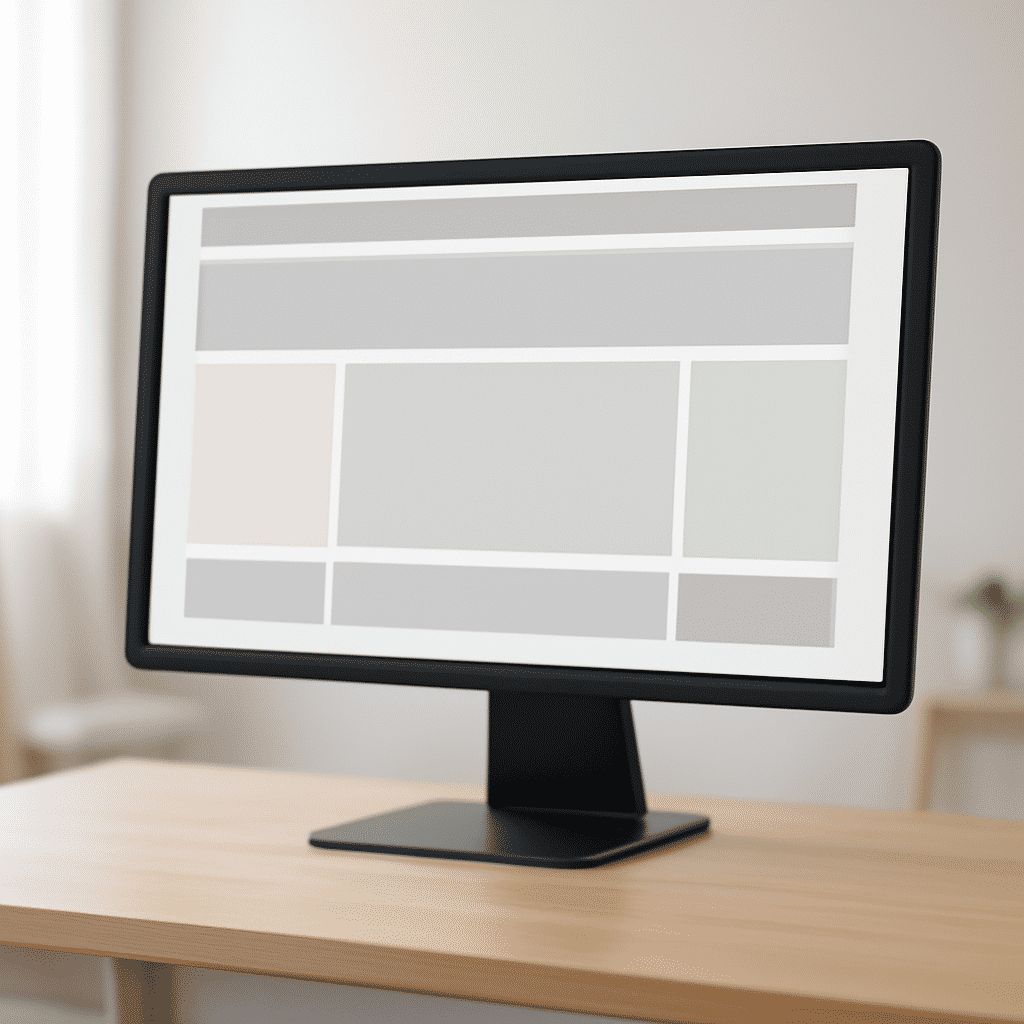
In the digital age, creating an online presence that captivates and retains visitors is a critical task. One of the foundational elements in achieving this goal is the layout of your site. An effective layout seamlessly combines structure, balance, and aesthetic harmony, crafting an inviting and engaging experience for users.
Structure: The Backbone of Your Site
The structure of your site serves as its underlying framework. This involves organizing the content in a logical way that makes it easy for users to navigate. A well-thought-out structure ensures that visitors can intuitively find the information they are looking for. Typically, this involves designing a hierarchy where the most crucial information is prominently displayed, often at the top of the page. Employing intuitive navigation bars and clear categorization plays a pivotal role in enhancing user experience and reducing bounce rates.
Moreover, grid systems can be employed to provide a consistent and organized appearance. These systems allow for alignment and proportion in your design elements, creating a coherent visual flow. This not only helps maintain order but also aids responsive designs that work seamlessly across various devices.
Balance: Harmony in Design
Balance refers to the visual weight distribution across your site's pages. Achieving balance involves the careful placement of elements so that no single part of a page overpowers the others. This can be achieved through symmetrical arrangements, where elements are mirrored on either side of a central axis, or asymmetrical arrangements, where different elements are balanced by contrast.
Effective use of negative space, or the empty areas around elements, is crucial in maintaining balance. Negative space helps avoid clutter, draws attention to essential content, and enhances readability. It allows each component of your page to breathe and stand out without overwhelming the visitor.
Aesthetic Harmony: A Visual Delight
Aesthetic harmony is about creating a visually appealing experience. This involves the strategic use of colors, typography, and imagery that align with your brand identity. Colors evoke emotions and convey messages—it’s vital to choose a palette that not only represents your brand but also enhances readability and user comfort.
Typography plays a significant role in aesthetics. Selecting fonts that complement each other and are legible across devices is essential. Additionally, the size, spacing, and styling of text should be consistent to guide the reader's eye smoothly across the page.
Imagery, when used effectively, can significantly enhance the allure of a site. High-quality visuals attract attention and can communicate messages faster than text. Consistency in style and theme of the imagery is key to maintaining harmony and reinforcing brand identity.
In conclusion, mastering the layout of your site requires a balanced approach to structure, balance, and aesthetic harmony. It’s about crafting a space where form meets function, providing a user-friendly experience while embodying the essence of your brand. By focusing on these core components, you can create a compelling online presence that not only draws visitors in but encourages them to stay and explore.